
A Photographer’s Journey from Birds to Landscapes

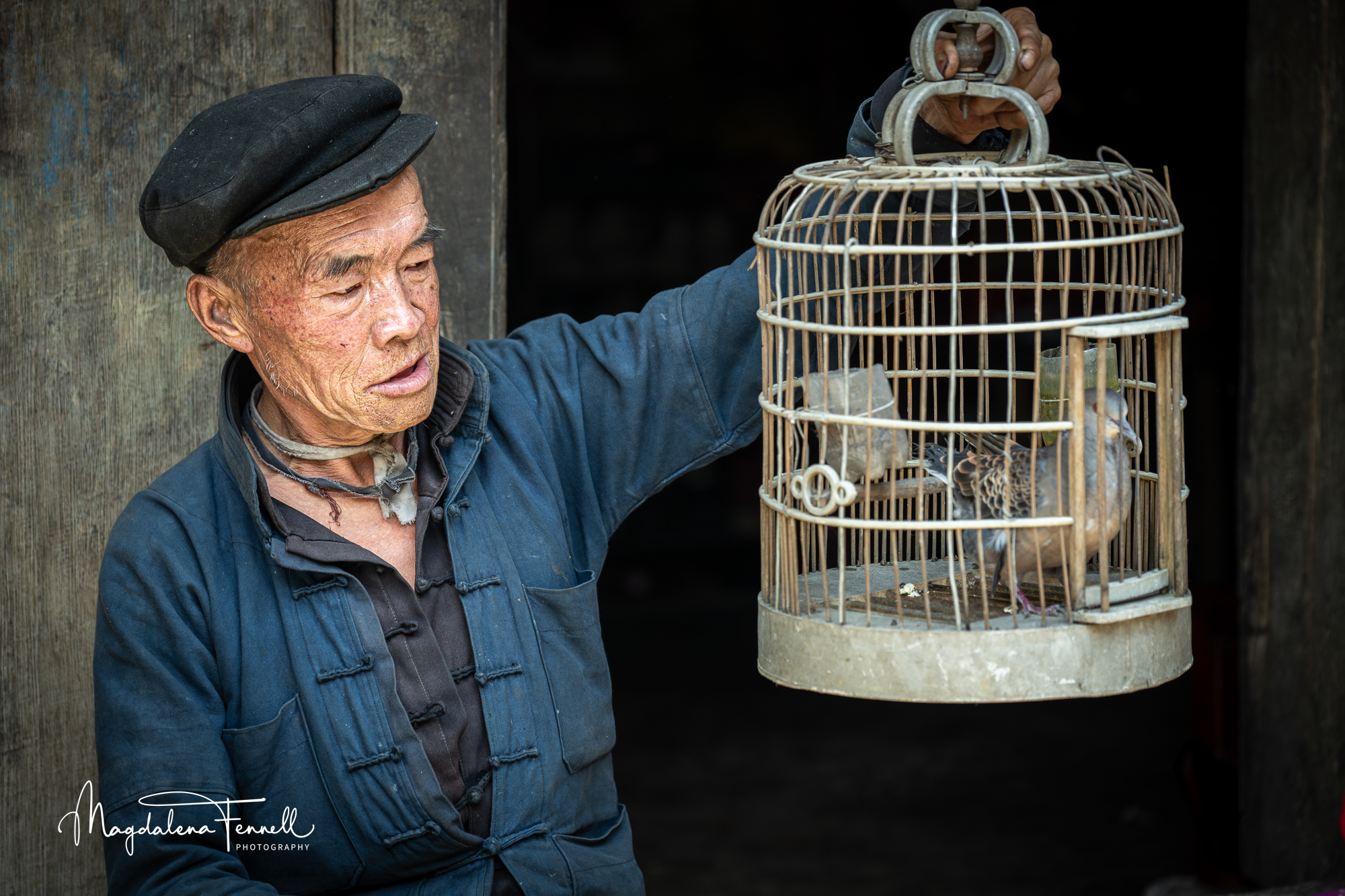

When I bought my first camera, all I wanted was to photograph birds and wildlife. I spent hours chasing light — and feathers — waiting quietly for a heron to land or a chickadee to pause just long enough for me to focus.
Those moments taught me patience, but as I grew behind the lens, something shifted. I found myself drawn less to motion and more to mood — the calm of a misty morning, the warmth on a face, the stillness of a mountain reflected in a lake.
That’s when I realized photography isn’t just about what you shoot — it’s about how your camera feels when you do it. And choosing your first camera system is a lot like finding a creative partner for that journey.
Step 1: Start With What You Want to Capture
Every photographer begins somewhere. For me, it was wildlife — fast, unpredictable, and demanding gear that could focus quickly and zoom far.
If that’s your passion, you’ll want a camera with fast autofocus and telephoto lens options.
But as I transitioned toward portraits and landscapes, I started valuing other things:
• Beautiful color tones
• The ability to handle changing light
• Lenses that let me play with depth and softness
That’s why knowing what inspires you is the best place to start when choosing your first camera. It shapes everything — from the system you buy to the way you grow.
Step 2: Mirrorless vs DSLR — The Modern Dilemma
The first big choice is usually mirrorless vs DSLR.
I chose mirrorless as it seems this is the new norm. I can see my exposure live through the viewfinder — every adjustment reflected instantly.
DSLRs (like the Canon Rebel or Nikon D5600) are great starting points — durable, proven, and easy to find second-hand.
Mirrorless cameras (like the Canon R50, Nikon Z50, Sony α6400, or Fujifilm X-S20) are lighter, more compact, and represent where photography is headed.
If you’re choosing your first camera today, I’d say go mirrorless — it’s the best long-term investment for beginners.
Step 3: Full Frame or Crop Sensor
Whether to choose a full frame or crop option is another dilemma with long-lasting consequences. If you are considering going professional, full frame is worth a serious consideration. Full frame cameras come at a higher price mark and require full frame lenses if you wish to use them to their full potential.
If photography is meant to be a hobby, crop sensor will be sufficient.
Step 4: Think System, Not Just Camera
Here’s something I wish I’d known earlier: buying a camera means buying into a system — the lenses, accessories, and future upgrades that come with it.
For wildlife, I needed long lenses. For portraits and landscapes, I wanted sharp primes and wide angles.
Different brands offer different strengths:
• Canon RF and Nikon Z systems have excellent all-around lenses.
• Sony E-mount offers the widest selection and best third-party support.
• Fujifilm X-mount blends stunning image quality with a tactile shooting experience.
Your lenses will likely outlast your camera body, so think long-term. Choose a system that fits both your current interests and where your creativity might go next.
Step 5: Don’t Drown in Specs
It’s easy to get caught comparing megapixels, sensor sizes, and burst rates. But the truth is — any modern camera can produce beautiful images.
For a beginner photographer, what matters more is:
• How comfortable the camera feels in your hands
• How intuitive the menus are
• How good the autofocus is in the situations you shoot most
When I was photographing birds, autofocus speed mattered most. Now that I shoot portraits and landscapes, it’s all about dynamic range, color, and how the camera handles light.
Your needs will evolve — and that’s perfectly okay.
Step 6: Try Before You Buy
If you can, visit a camera store or rent a few models for a weekend. Hold them, shoot with them, and see which one makes you excited to go out and take photos.
When I picked up the camera that eventually became my go-to, it just felt right. The dials, the grip, the sound of the shutter — it clicked, literally and figuratively.
Step 7: Let Your Passion Lead, Not the Gear
Whether you’re photographing birds, people, or sweeping landscapes, remember this: the best camera for beginner photographers isn’t the one with the most megapixels — it’s the one that keeps you inspired.
Cameras are tools. Vision is what turns them into art.
Choose a system that feels like an extension of your curiosity. Learn it, trust it, and take it everywhere. The more you shoot, the more you’ll discover what kind of photographer you really are.
 Magdalena Fennell Photography