
How I Chose My Nikon Z 6II
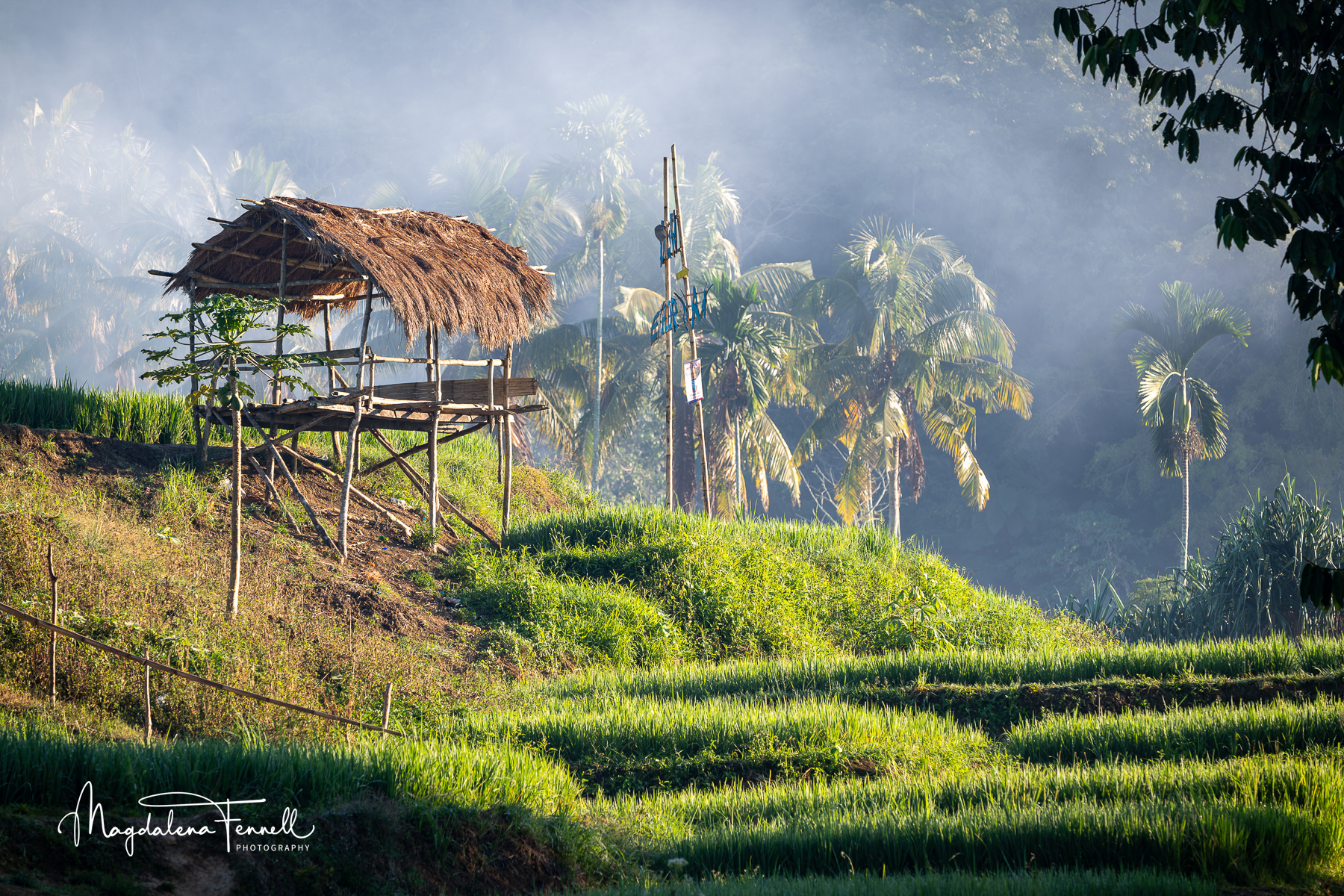




For years, I told myself I’d get back into photography “someday.” I’d owned a Canon once — long ago — but never truly learned how to use it. Back then, I shot everything on auto and hoped for the best. The best never came. It wasn’t until three years ago that I decided this time would be different.
I wanted to take photography seriously, to understand it, and to grow with it. That meant starting with one of the most important decisions a photographer can make: choosing the right camera system.
Step 1: Doing the Research
If there’s one thing about me, it’s that I hate regret — especially when it comes to investing in creative tools. So, I did what every aspiring photographer does: I researched endlessly.
I read reviews, watched YouTube comparisons, joined photography forums, and talked to other photographers about their setups. I didn’t want to buy something I’d outgrow in a year. I wanted a camera that would challenge me, inspire me, and still feel relevant as my skills evolved.
That’s when I realized I was ready to go full-frame — not because I needed the “pro” label, but because I wanted that extra depth, detail, and low-light flexibility that full-frame sensors deliver.
Step 2: Choosing Mirrorless Over DSLR
Since the purchase of my old Canon DSLR, the photography world had changed. Mirrorless cameras had appeared and evolved — lighter bodies, sharper EVFs, faster autofocus, and incredible image stabilization.
I wanted a camera that could travel easily, perform beautifully, and still feel substantial in my hands. The decision became clear: I was going mirrorless.
Step 3: Finding “The One” — The Nikon Z6II
After weeks of comparisons, I kept coming back to the Nikon Z6II. It felt like the perfect balance — professional performance without the bulk, a beautifully intuitive layout, and that full-frame sensor I was looking for.
The dual card slots, 5-axis stabilization, and reliable autofocus sealed the deal. It wasn’t overkill, but it wasn’t entry-level either. It was that sweet spot where creativity meets confidence.
When I held it for the first time, it just fit. Solid but not heavy, advanced but not intimidating. It felt like a camera I could actually grow with.
Step 4: Building My Starter Lens Kit
Of course, the camera body is only part of the story. I needed lenses that would give me flexibility to explore different styles while I found my creative voice.
Here’s what I chose:
NIKKOR Z 14-30mm f/4 S – For landscapes and wide scenes. It lets me get close and dramatic with foregrounds while keeping horizons crisp and clean.
NIKKOR Z 24-120mm f/4 S – My everyday, do-it-all lens. Sharp, versatile, and perfect for everything from travel to portraits.
Sigma 150-600mm F5-6.3 Contemporary plus a Nikon Z adapter – My wildlife powerhouse. This lens would connect me back to my early fascination with birds and distant subjects, and it was pure joy for capturing nature’s details.
Each of these lenses supported a different side of my photography — the calm, the candid, and the wild. Together, they make up a toolkit that’s both practical and inspiring.
Step 5: More Than Just Gear
In the end, choosing my camera system wasn’t just about specs. It was about starting a relationship — one built on intention, curiosity, and commitment.
The Nikon Z6II wasn’t just a camera to me. It was a promise — that this time, I would slow down, learn, experiment, and keep showing up with my camera in hand.
And that time, I wouldn’t let it collect dust on a shelf.
Even though I no longer own this camera, it was a very good choice at the time.
 Magdalena Fennell Photography